Search
-
Why Slate picked engaged time as their North Star metric
To get all the details on how Slate became a loyalty powerhouse, check out this case study. On their 20th Read more
-
Why Publishers Need to Capitalize on Voice Computing

The following is a guest post from SpokenLayer. Humans develop language skills long before they read or write. It’s no Read more
-
A Note from the CEO: Parse.ly’s Growth in 2016
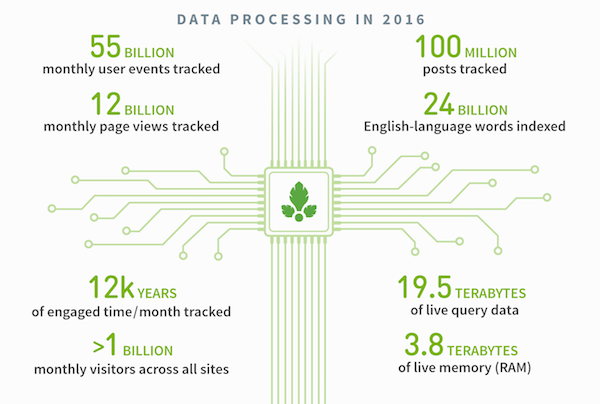
When you run a company, it can be easy to get lost in the weeds—to only see the problems and Read more
-
How Ars Technica Leverages Data Analytics
Committed to keeping what’s best for their audience at the forefront, the Ars Technica team always asks themselves before publishing Read more
-
How metadata supercharges analytics in Parse.ly
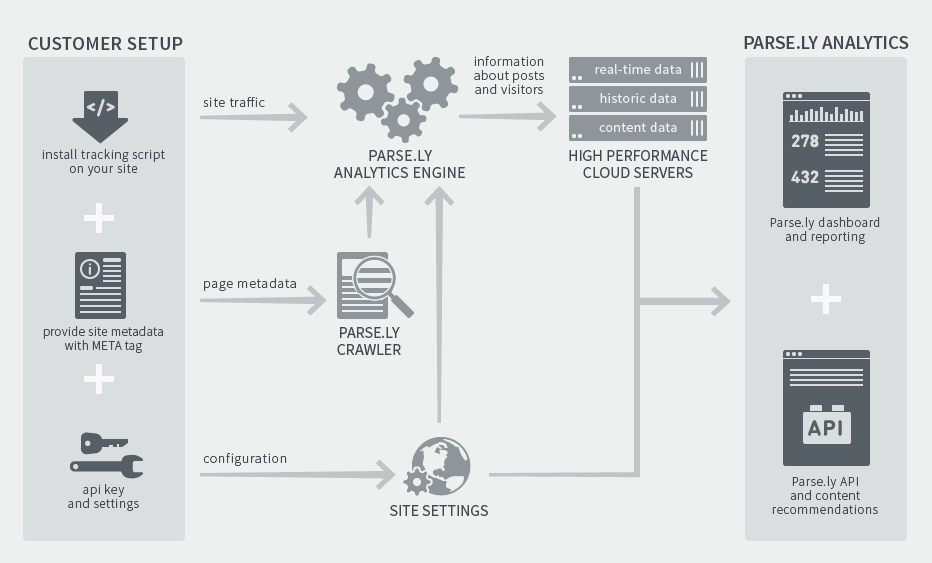
Parse.ly tracks a number of directly-measured metrics from websites, such as views, visitors, time, and shares. In addition to this, Read more
-
Data Pipeline vs API: what’s the difference?

A question we get often about our new Parse.ly Data Pipeline is, “What’s the difference between raw data access provided Read more
-
New Product: Parse.ly Data Pipeline
For the past 3 years, Parse.ly has built a strong business around democratized access to real-time and historical analytics. That’s Read more
-
Picking a cloud database for analytics: the SQL options
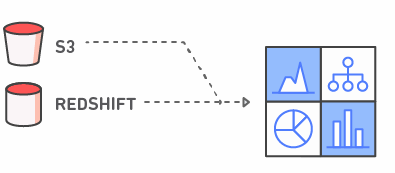
If you’re a developer, analyst, or data scientist, you have probably been hearing a lot about “analytics” these days. Some Read more
-
Fully Remote, But Here For Each Other

I have spent the last several years living a life that would be quite foreign to most Americans. Every morning Read more
-
Parse.ly Recommendation Engine Explainer (part 2): Under the Hood
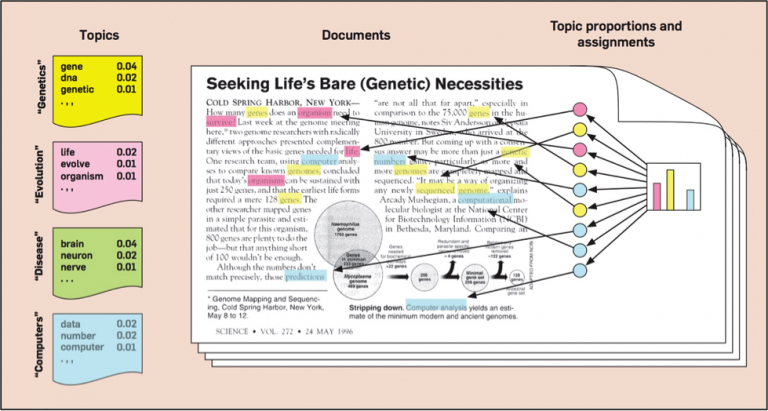
In my last post on this topic, I introduced Parse.ly’s recommendation engine. There, I discussed how our recommendation engine for Read more