Content Analytics Dashboard
The analytics tool your whole team will actually use
Most analytics platforms were built for data analysts. Parse.ly was built for editors, marketers, communications teams, and product teams creating and distributing content every day. Get clear answers fast without SQL, BI queues, or weeks of training.
Built into how your team works
Bring insights into the daily flow of content creation. Parse.ly surfaces performance data in clear, intuitive terms directly in your CMS and dashboards, so editors, marketers, and executives can understand what’s working and act on it in
real time.
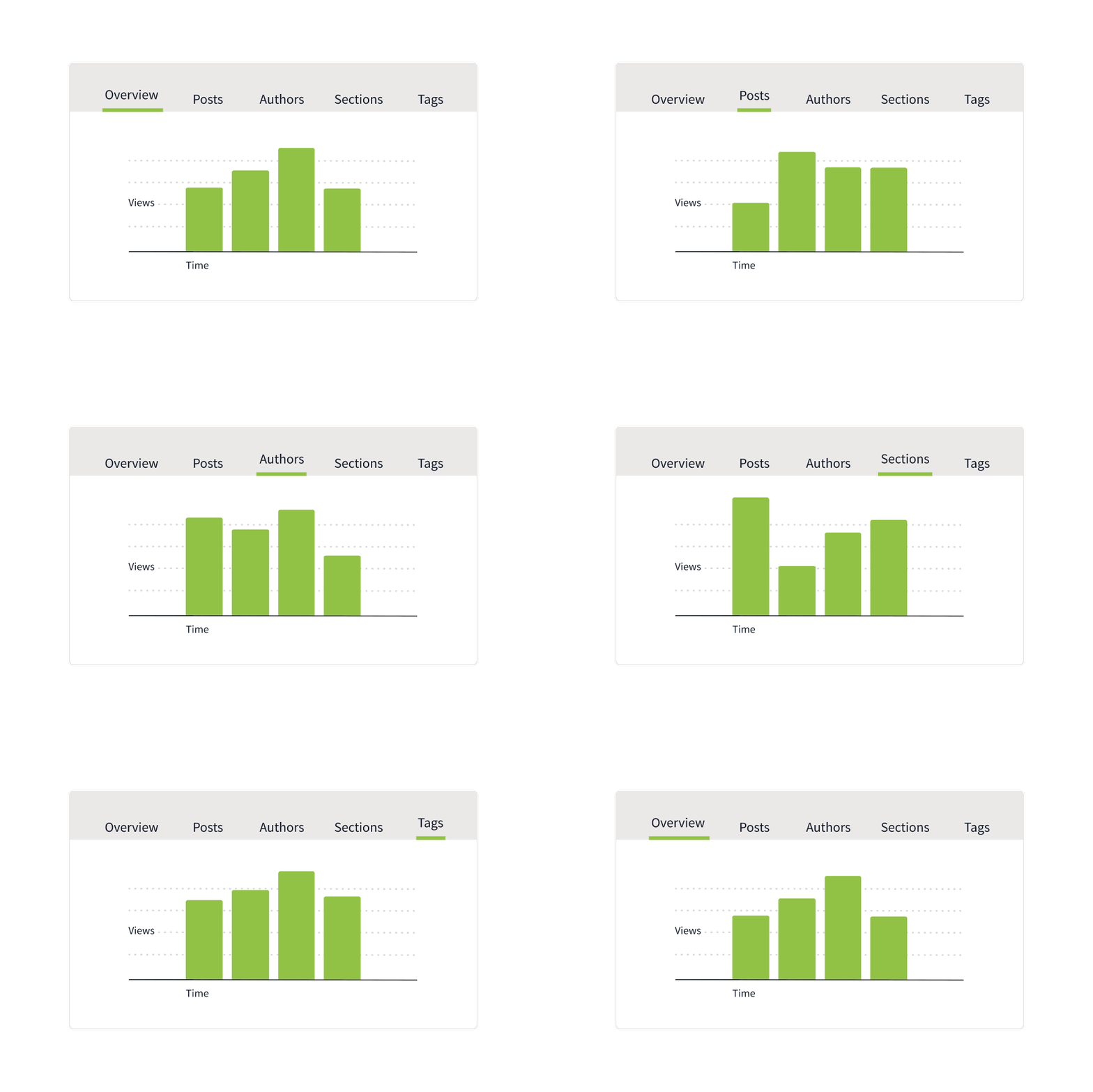
Overview
A customizable home screen with the metrics each team cares about pageviews, engaged time, conversions, and loyalty KPIs.
Topics & Tags
AI-generated topic and entity tags automatically categorize content so that you can analyze performance by subject without manual tagging.
Authors
Identify top-performing authors and compare engagement, conversions, and loyalty across contributors.
Campaigns
Measure ROI with UTM tracking and custom campaign groups: connecting content to business outcomes
Channels & Referrers
Separate AI and aggregator referrals from search in real time, including Google Discover and emerging channels.
Sections
Compare performance across sections, verticals, or product areas and benchmark against historical trends.
In-editor Insights
See performance data directly in WordPress while you write so teams can act without context switching.
Publish Date
Understand performance over time to identify evergreen content and optimize promotion windows.
Video Analytics
Track video engagement alongside written content to understand which formats held attention.

“We chose Parse.ly because it’s so user-friendly, especially for an editor who wants to be able to report on how their content is doing right away.“
Morgan Gibson
Senior Manager of Digital Content
AI insights in your workflow
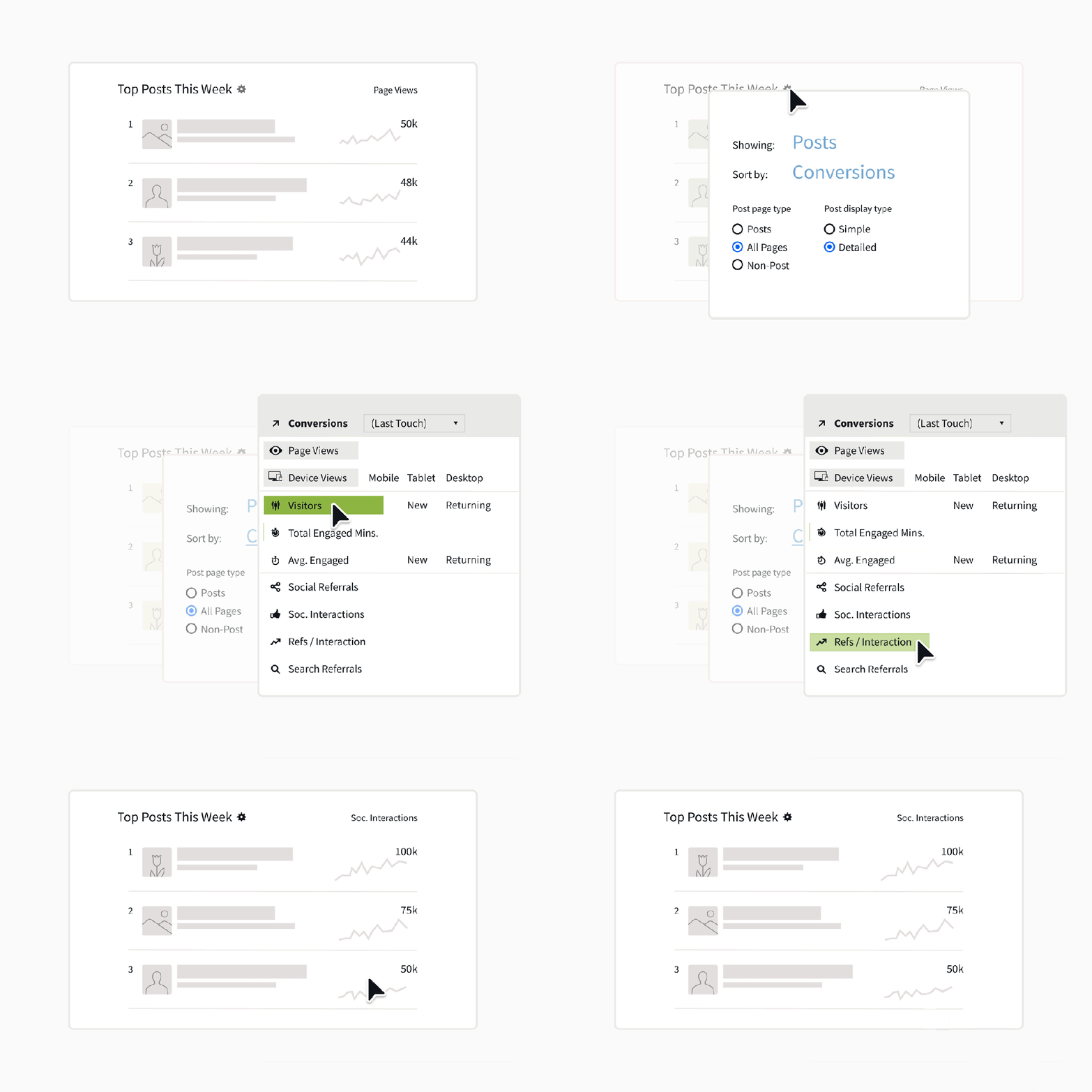
Parse.ly Sage answers complex analytics questions in plain language. Ask which drove yesterday’s spike or which content converted best this week and get a clear answer in seconds.
From headline testing to smart tagging and proactive alerts, Parse.ly helps your team move faster and make smarter decisions while traffic is still live. This is AI that turns insight into action.
Parse.ly Sage
A customizable home screen showing the metrics each team member cares about — pageviews, engaged time, conversions and loyalty KPIs at a glance.
Headline testing
Test multiple headlines with AI-generated suggestions. Winners are applied automatically, no manual intervention. Optimize while traffic is live when every word counts most.
Engaged Time
Measure actual reading and attention, not just page views. Parse.ly’s native Engage Time Metric shows which content holds attention and which gets skipped.
Content intelligence
Surface is top-performing patterns across author, sections, topics, and content types directly into the WordPress editor. See what works while you’re writing.
Conversions
Track content to conversion with customizable conversion groups and multi-touch attribution. Connect content to sign ups, subscriptions, demos, or any goal you define.
Loyalty KPIs
Track recirculation rates, visit frequency, and loyalty trends over time. Understand which content builds habitual audiences, not just one-time visitors.
Subscriber Segmentation
Analyze behavior differences between free readers, registered readers, and paying subscribers. See what drives each segment and where conversion opportunities exist.
Proactive Alerts
Automatic notifications when content breaks through performance thresholds. No one piece takes off or stalls without watching the dashboard.
Newsletter Intelligence
Track newsletter-to-site traffic, measure subscriber engagement, and calculate reader lifetime value. Understand the full value of your email audience

“Seeing engaged time in the Dashboard helped us make a much smoother transition from unique visitors to a more real relationship with our most loyal readers.”
David Stern
SVP Product & Technology, Slate
Act while there’s still time to change the outcome
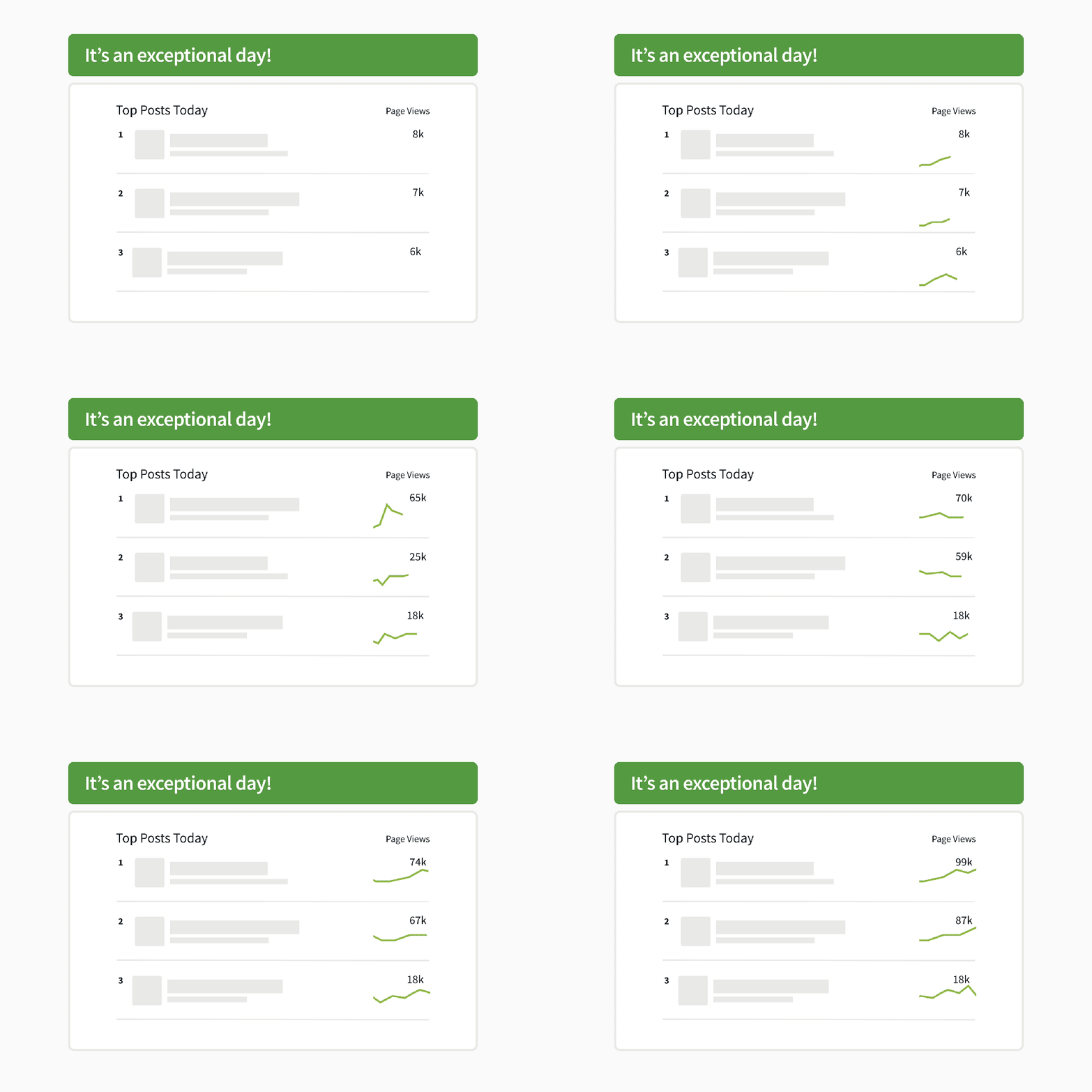
By the time most analytics platforms tell you what worked, the moment has passed. Parse.ly’s Pulse view updates every few seconds across your entire site. Real-time intelligence lets you optimize content while it’s still trending.
Real-time Data
Sub-second data processing from event to dashboard with full visibility by content type, author, section, channel, device, and more.
Google Discover & AI Referrals
See Discover and other AI-driven sources as distinct channels, not buried in “organic search”.
Proactive Alerts
Get automatic notifications when content crosses performance thresholds so you can catch breakout stories early.
Prove what your content is really worth
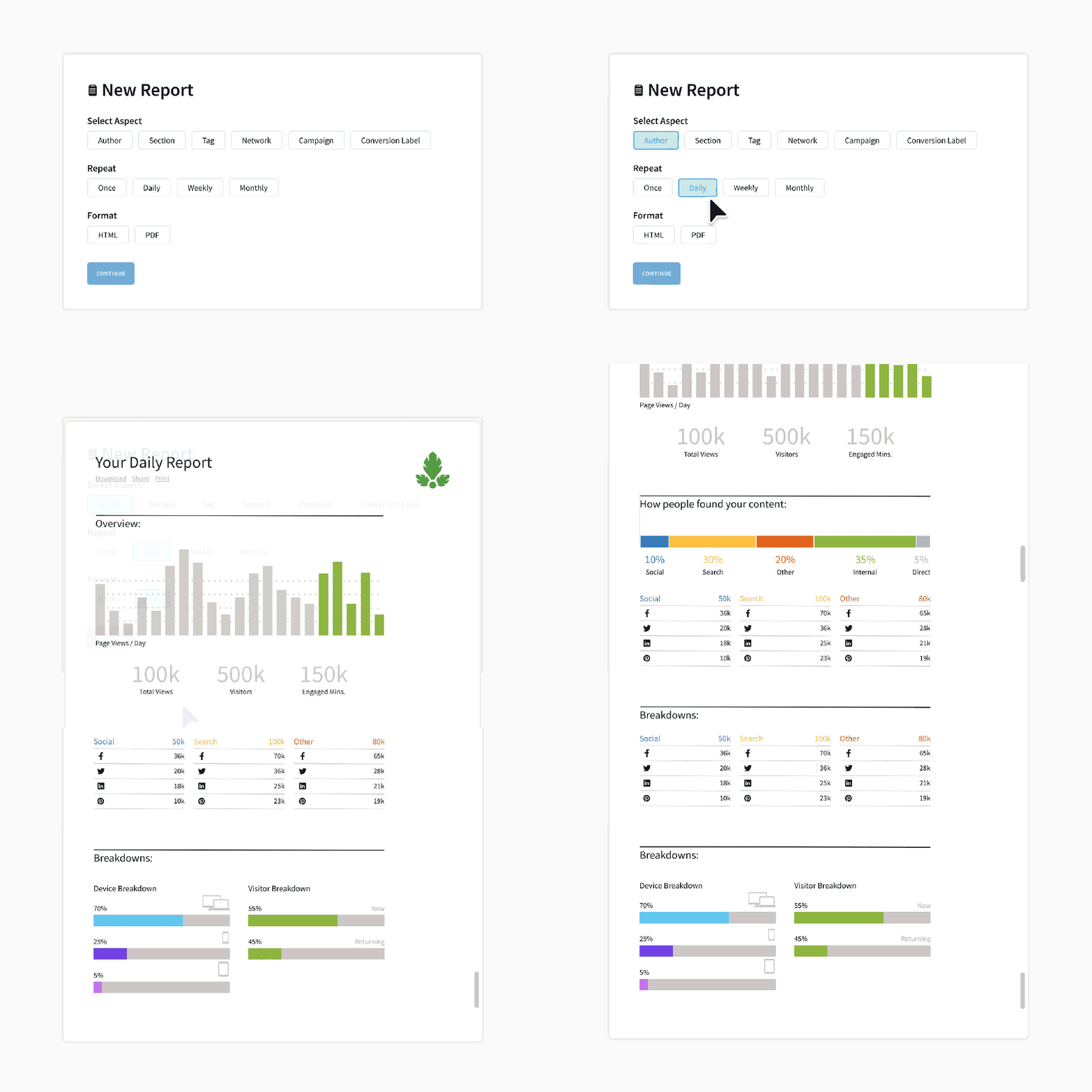
Parse.ly connects content directly to business outcomes like subscriptions, demo requests, leads, purchases, memberships, and more. Journey’s visualization shows the path from acquisition to conversion, so you can see which content drives results and which just drives traffic.
This is how you move from platform-dependent traffic to an audience that converts and returns.
Journeys
Visual maps showing exact paths from acquisition channel to content conversion. Compare journeys side-by-side and pin the ones that matter most to your business.
Goals & Funnels
Define a measure conversion specific to your business model: subscriptions, sign-ups, downloads, demo requests, or any custom goal.
Automated Reports
Schedule automated exports and reports. Send Parse.ly data directly to your data warehouse via the Data Pipeline for deeper analysis.
Frequently asked questions
How does Parse.ly analytics boost content marketing?
Parse.ly is an analytics tool built for content teams. Parse.ly makes it easy for content marketers to know which topics and pieces of content are driving real results for your business. Instead of having to rely on analysts for answers, content marketers can now find out for themselves which topics they should write about.
How do you analyze content marketing with Parse.ly?
For every piece you publish, there’s data to tell you how your audience is responding. Writing content can be deeply personal—and even today most content is still written because “it seemed like a good idea.” At the end of the day, however, content is written for the impact it creates on the business. Analytics for content marketing helps teams identify what content is creating the impact that they need, so they can work smarter, not harder.
Parse.ly helps surface these insights in a format that writers and creators understand, so they don’t need to turn to the analysts in order to become data-driven. Keep an eye on which direction your core KPIs are heading as you execute your content strategy, expand the content that works, and iterate.
With an at-a-glance breakdown of the traffic of days, weeks, or months across multiple channels, marketers know what pieces of content are performing. Track 30 unique attention metrics to understand how readers are interacting with your content. Parse.ly tells you which channels, campaigns, referrals, topics and more are creating customer conversions that move your business forward.
What are analytics in marketing?
Marketing analytics is the study of data using technologies and processes to determine the success and ROI of marketing efforts. Being able to track and closely monitor how audiences interact and engage with your content is vital. With Parse.ly you can easily identify opportunities for improvement without the hassle of a large learning curve? Get the answers you need to be data-driven, without having to ask an analyst for some number-crunching.
What are the types of marketing analytics?
Marketing analytics vary based on what type of business you run, and what channels you use to attract and retain customers. Each channel includes its own set of metrics—for example, web, email, social media, and in-person events all have different objectives and means of measuring them.
All marketing analytics eventually build down to:
– How does your business create revenue (B2B, B2C, ad-driven, online store, subscription…)
– How do you create customers (which marketing tactics lead to new customers)
– How many customers did you create
– How much does your average customer spend
– How much did you spend to create these customers
Here are some of the common marketing channels, and the metrics they care about:
– Email analytics: Views, unique visitors, campaign impressions, paid ad performance
– Social media analytics: Audience size, mentions, shares, likes, impressions, click-through-rate
– Web analytics: Views, unique visitors, campaign impressions, paid ad performance
– Content analytics: Content conversions, leads captured, subscriptions, purchases, views, engaged time, social interactions, and more
Parse.ly tracks your content as it is deployed across all your channels, and helps you identify which content leads to the engagement and “conversion events” that create revenue for your business and connections with your customers.